
Finding Light in the Long Winter: Addiction, Recovery, and Self-Care

Addiction During the Winter Months

Winter can be a difficult season for many people. The days are shorter, the weather is colder, and routines change. In Canada, winter can feel especially long and isolating, which can have a negative impact on mental health. For individuals struggling with addiction, or those in recovery, the winter months can bring challenges that are important to acknowledge with compassion rather than judgment.
Why Winter Can Increase Vulnerability
Dark Days: One of the biggest factors is reduced sunlight which can affect mood, energy levels, and motivation. Some people experience seasonal depression or a decrease in their overall sense of well-being during the winter. When energy and moods are low, urges to use substances as a way to cope can feel stronger.
Social isolation: Winter weather can make it harder to leave the house, attend social events, or stay connected with others. Snowstorms, icy roads, and cold temperatures can lead people to cancel plans and spend more time alone. For someone living with addiction, isolation can increase cravings and make it easier to slip back into old patterns.
The Holiday Season: While it is often portrayed as joyful, it can bring stress, grief, family conflict, or reminders of loss. Alcohol and other substances are frequently present at gatherings, which can be challenging for people trying to reduce or stop their use. For others, the period after the holidays can feel empty, which may intensify feelings of sadness or boredom.
Routines Fall Apart: Exercise, social activities, and structured schedules may become harder to maintain. Without these anchors, it can be easier for substance use to slowly increase without being noticed right away.
Gentle Ways to Support Yourself
Staying connected is one of the most protective factors. This might mean regular check-ins with a trusted friend, attending support groups, or continuing therapy even when it feels tempting to cancel.
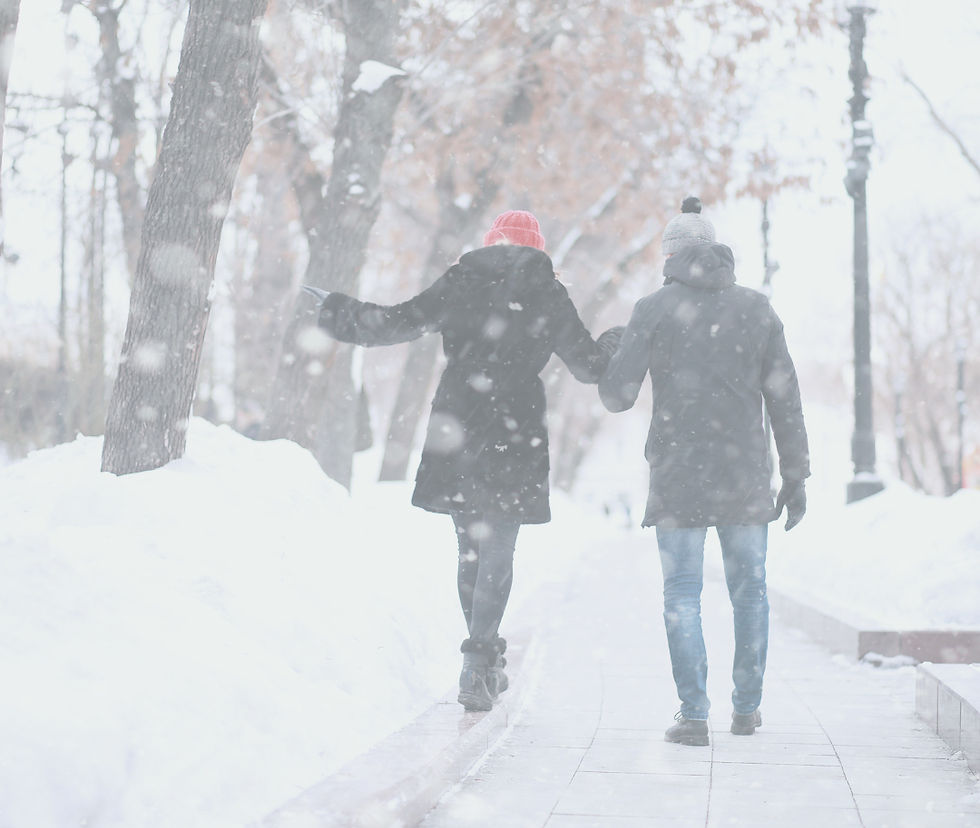
Creating a loose daily structure can also help. Simple routines like waking up around the same time, eating regular meals, and getting some daylight exposure can support both mood and recovery. Even a short walk outside or sitting near a window can make a difference.
Self-compassion is essential. Struggling more in winter does not mean you are failing or going backwards. It can mean that your nervous system is under more stress. Noticing urges without acting on them, or reaching out for help sooner than you normally would, are signs of strength.
When to Seek Extra Support
If substance use is increasing, cravings feel overwhelming, or you notice a return to behaviours that worry you, it may be time to seek additional support. This could include increasing therapy sessions, exploring group support, or speaking with a healthcare provider.
Winter can amplify struggles with addiction, but it can also be a time to slow down, reflect, and build gentler coping strategies. With understanding, support, and care, it is possible to get through the winter while protecting your well-being and your recovery.
Winter is hard. Recovery is hard. Doing both at the same time takes real courage. If you're finding this season more difficult than usual, please know that you're not alone, and that reaching out for support is one of the bravest things you can do.
by Harlene Kundhal RP, RN




Comments